Banner Image
Rewiring Mondays: Training the Mind Like a Muscle

Rewiring Mondays: Training the Mind Like a Muscle

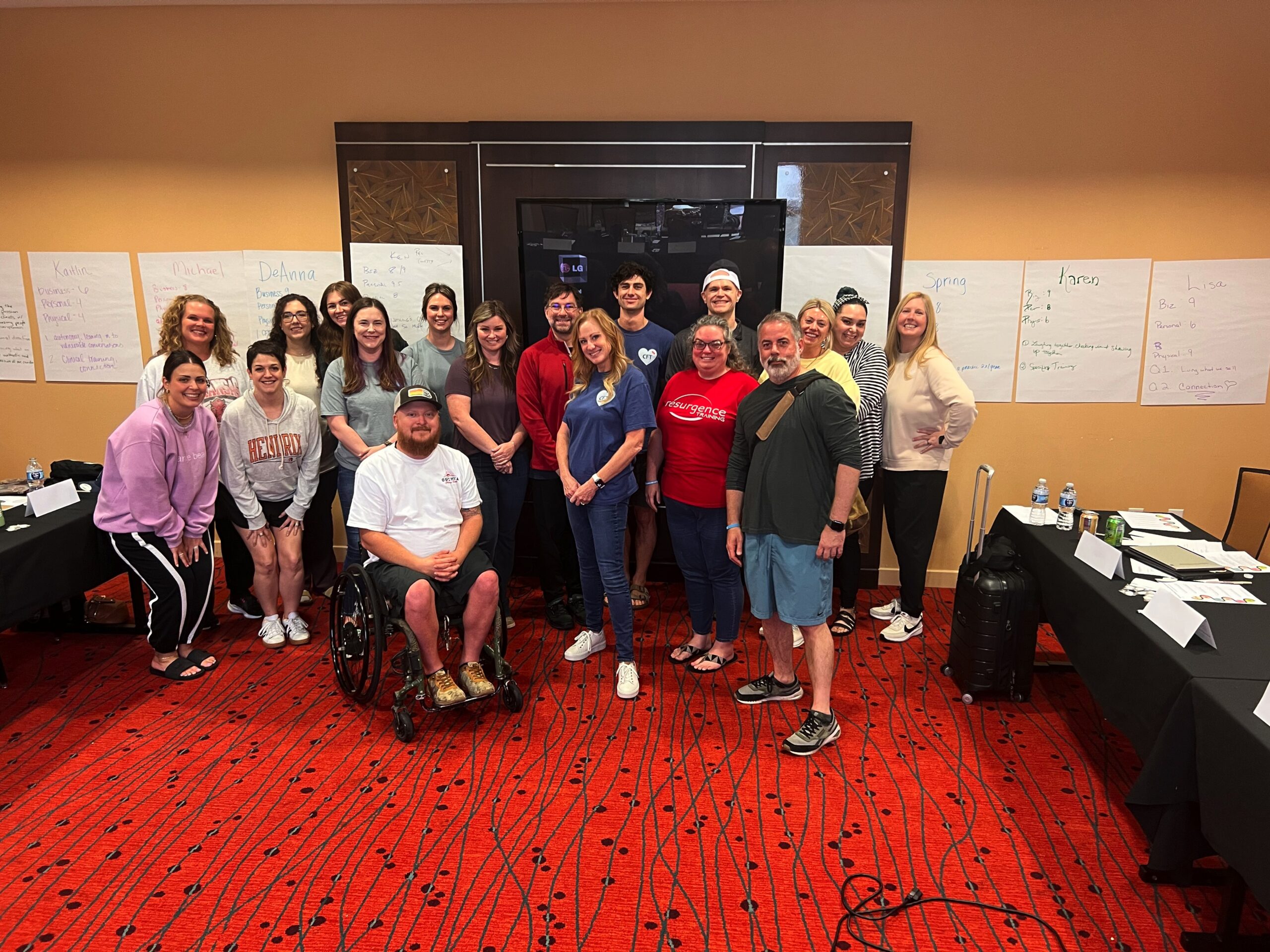
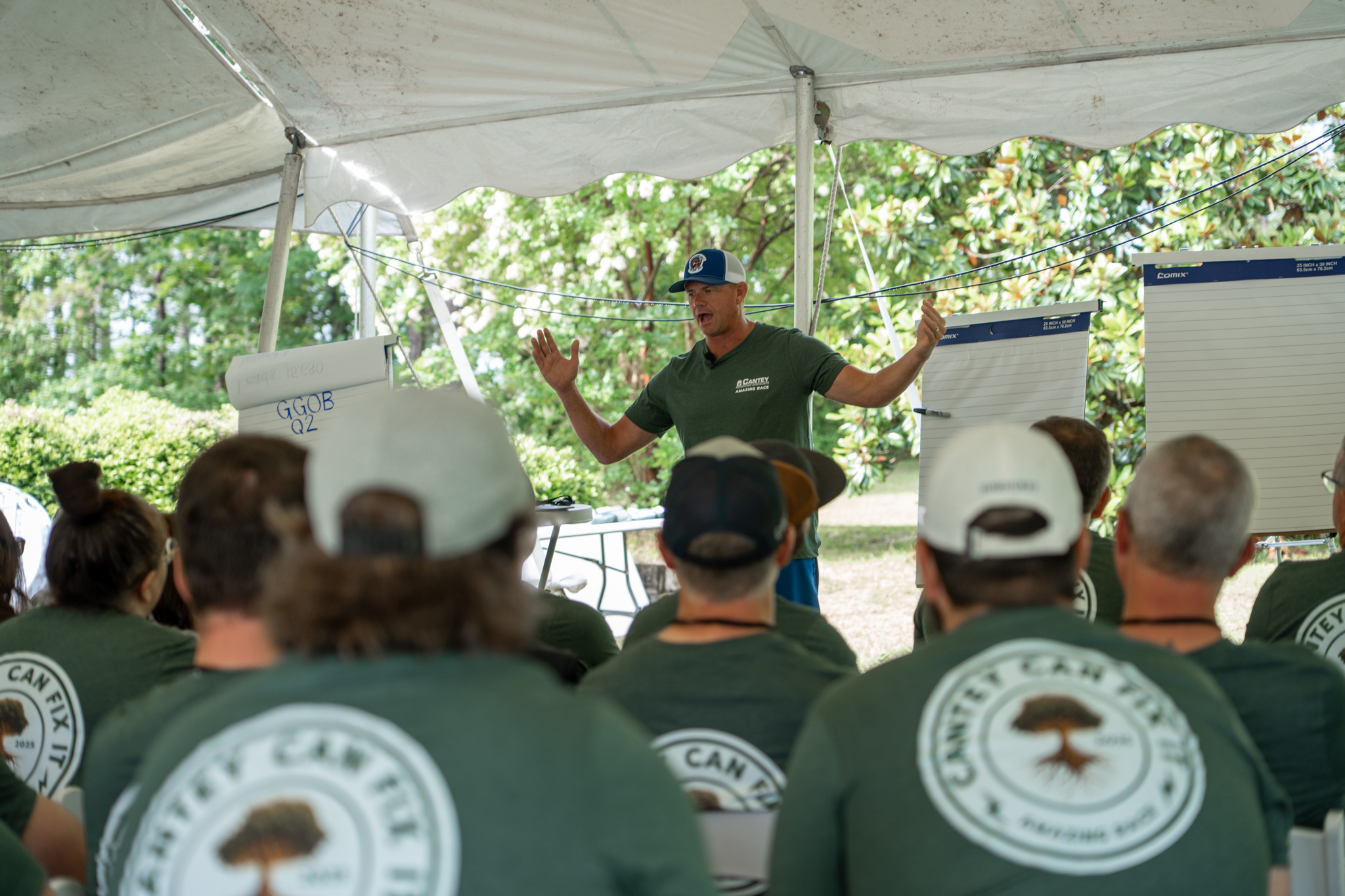
At 7:30 a.m. every Monday, 48 weeks a year, groups of employees across the four Cantey Foundation Specialists’ offices in the Southeast join a meeting. Most are salespeople or front-line workers. Many work on commission. All are required to attend.

We have developed the habit of calling these weekly meetings ‘training meetings,’ but it’s not the kind of training you might expect. It isn’t standard job training at all, in fact. But in the two years since we started these meetings, I’ve come to believe it is the most impactful initiative we’ve ever undertaken at Cantey.

On Mondays, for four hours, we spend the bulk of our time focused on our personal lives, outside of work. We talk about the things that are occupying our minds and causing us stress and worry, we talk about habits that may be helping us or hurting us as we strive to be our best selves, and we talk about mindsets, and the power of mindset to affect performance, effectiveness, and happiness. It’s an intentional blend of personal development, mental coaching, and emotional regulation, and I believe it is essential to performance.

As a leader and as a person, I am a pretty open book. I have been working on myself intentionally for years, because I believe that the better, healthier, and more self-aware I am, the better I can show up for my team and keep Cantey growing and thriving. A few years ago, it occurred to me that my employees might benefit from the same lessons I was learning, about myself and about life. So, we piloted these meetings, and are about a year and a half into this initiative now.

Every Monday morning, except for Memorial Day, Labor Day, Thanksgiving, and Christmas, we gather at 7:30 am and start with our “One Team” experience. During the first hour, we share updates, stories, and information from the previous week. There is one simple rule: only positive experiences. This is not the moment for problem-solving, criticism, complaints, or regrets. By starting with a positive, celebratory activity, we set the tone for a positive and productive morning.

After a short break, we spend most of the rest of our time–over an hour–in small group sessions addressing the content and lessons for the week. These groups are led by myself and my VP, Laurie, and we focus on topics pertaining to mindset, personal beliefs, family dynamics, emotional resilience, and more. We share concepts and frameworks that are backed by research and expertise, and we do role-play activities that involve scenarios that could take place at home or at work. It gets personal and it can get intense, but it is all designed to help raise employees’ awareness of self, identify patterns of behavior, and consider strategies to break bad patterns and become more effective, in all areas of their lives.

I developed the confidence to build the content for these meetings after both Laurie and I spent years doing our own learning and personal work on our own. We are always learning more, but some of the frameworks from which we draw ideas and plans for the activities include The Power of TED, by David Emerald, Conscious Communication Practices, Time and Attention Management, Accountability Theory, and a journaling tool called Instant Replay, that helps team members process emotional triggers before reaching out for help. A lot of people rely on the Fake it ‘til you make it strategy for working toward success, but I have learned that that is not how you fundamentally change your story and your life. You have to face yourself and do the work, and only then it is possible to actually change your mindset.

A lot of people are surprised to learn that we devote so much time and resources to such a non-job-specific activity, especially in our industry, foundation repair. But as an Evergreen® company, it fits us. We are looking to build a team of people who are committed to their personal and professional growth and success for the long term, and who are willing to put in the work to get there. Although the requirements around these trainings are strict, they are designed to be an important People First tool, to support and uplift our team, and to make their lives better in all ways. The frequency and intensity of the trainings self-select for cultural fit; people who resist it tend to leave quickly. Those who stay learn to open up. It’s not always comfortable, but over time, our people start to connect the dots between their mindset and their results.

In the year and a half since we started this initiative, we believe it is working. It appears to be driving retention, although we can’t yet prove that it’s causative, rather than correlative. Turnover is down. Team cohesion is up. For a business where salespeople are often mobile and solo, and hearing “no” four times out of ten, the sense of community appears to be making a real difference.

A specific example of a tool we’ve taught and how it’s been used is a time and attention management matrix. Salespeople are shown how much time they lose to minor schedule changes—like waiting for a customer to arrive—and how often that leads to distraction. As is almost everyone’s habit these days, they used to find that, if they had to wait, they’d just scroll their phone for seven minutes, creating dead time and pulling them out of a work mindset. Through this learning, they gain the skills to plan to fill those time slots with something productive. They have a list of follow-ups and quick tasks, like returning a customer call or updating their plan for the next day, which keeps them moving forward and keeps their mind in an active, focused mode, which helps them get to the end of their day faster and with greater productivity. They can still go play golf later or maybe even get home early–they’ve used their downtime productively, so they end the day ahead of the game. It’s better for them, and it’s definitely better for the company.

Many people with whom I have shared this program have been astounded by the frequency of the meetings. Couldn’t you do it monthly, they ask? As far as I’m concerned, weekly is mandatory. It’s analogous to physical training for athletes: regular, deliberate, disciplined. It takes frequent repetition to build a skill, change a habit, and change a mindset. You want a less stressful life? This is how. We are training our people to deal with problems, which starts with themselves. Then they can be better at home and at work and happier in all facets of their lives.

I know this approach is unusual. When we hosted a group of fellow business owners recently, many were stunned—not just by the content of the training, but by the level of commitment required to pull it off. But I think being People First is about action. You can’t just say you care about people; you have to build systems that show it. And you have to invest time and money and energy into it. In our industry, no one else is doing this, but they should. We don’t really have any competition, because no one else is willing to invest the time and resources.

It’s true that this is especially powerful for our employees because so many of them spend so much of their time on the road and on their own. It helps them to embark on each day with a less worried and preoccupied mind. But I don’t think this is specific to our industry at all. I think everyone should do it. As a leader, you have likely learned that when you are better, healthier, and happier, you are better for your team and in your job. Why, then, wouldn’t this be true for every member of your team?

More Articles and Videos

The Power of “No”

  • Paul Shaughnessy
  • BSI Constructors, Inc.
January 13, 2026

Creative Leadership

  • Rob Cordova
  • Rob Cordova Consulting
January 06, 2026

A Note of Gratitude and What’s Ahead for the Evergreen Journal

  • Dave Whorton
  • Tugboat Institute
December 30, 2025

Rewiring Mondays: Training the Mind Like a Muscle

  • William Cantey
  • Cantey Foundation Specialists
December 16, 2025

Supporting Evergreen® leaders, their teams, and their companies through recognition, experiences, publications and programs to bring inspiration, new ideas, and proven best practices about business, family and life.