The Challenge To Change: It’s Time To Reconsider New Models Of Success
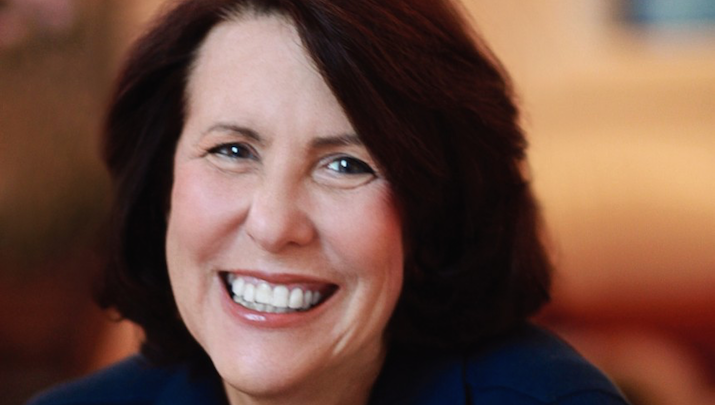
- Madeline Levine
Since Teach Your Children Well came out in the summer of 2012 I have been on a perpetual book tour. I have spoken in many of the wealthiest enclaves in this country to parents who send their children to the most prestigious independent schools. I have also spoken to parents who are squarely middle or working class at public schools that range from the notable to the unexceptional. I have spoken to top-level executives from Google and Microsoft, American Express and Morgan Stanley. I have also spoken to the boots on the ground people who work for these companies. I’ve been to Austin Texas, but also Midland Texas. To the Upper East Side of New York, the North Shore of Chicago and Beverly Hills as well as Knoxville, Nashville and Memphis. I’ve crisscrossed the country speaking to parents, teachers, administrators, professors, business executives, regular folks and billionaires. While the wealth disparity in this country is increasingly shocking, here is what has surprised me most. Regardless of where I am, and whom I’m speaking to, change – in our value system, in the way we parent, in what we expect from our children – has been consistently met with a combination of interest, appreciation, apprehension and resistance.
This mixed bag of reactions to the call for change is understandable. Change, for most of us, is hard. Change that involves our children is particularly hard. Experts throughout the country are pushing for a new way of thinking about success for our children. We’d like parents to understand that every child is different, that there is no such thing as “one size fits all” when it comes to measuring success and that the historical measures of success, grades and SAT scores, are limited in their ability to predict success for our children. We are proposing a new paradigm, one that is more closely aligned with what research tells us about child development and the best practices of educators. We’d like parents to keep the bar high for their children, but to make sure that bar is in line with their abilities, interests and well-being. We value what used to be considered “soft skills” and are now considered indispensable for healthy emotional development as well as employability. Skills like creativity, resilience, integrity, perseverance and self-motivation. We believe that we are still educating and still parenting using a paradigm that provided the heartbeat for America in the Industrial Age but is increasingly inappropriate for the needs of 21st century America. So while there is general agreement, among parents, educators and business leaders, that change needs to be made the process has been surprisingly slow and fraught with uncertainty and anxiety.
More Articles and Videos
Skip-Level Meetings as a Strategic Planning Tool
September 15, 2026
Creating Future Leaders
September 08, 2026
The Flywheel Fund
September 01, 2026